Most owners think about the roof at purchase and when it leaks. In San Diego, salt, Santa Ana wind, embers, and year-round UV work in between. A real roof inspection is a written 12-point walk, not a thumbs-up from the curb.
Top Pro Roofing SD refers CSLB C-39 roofers. We do not inspect or certify roofs ourselves. Call (760) 750-5557.
If you searched roof certification San Diego, that is a signed condition letter. It is not the same as a sales walk. Both are below.
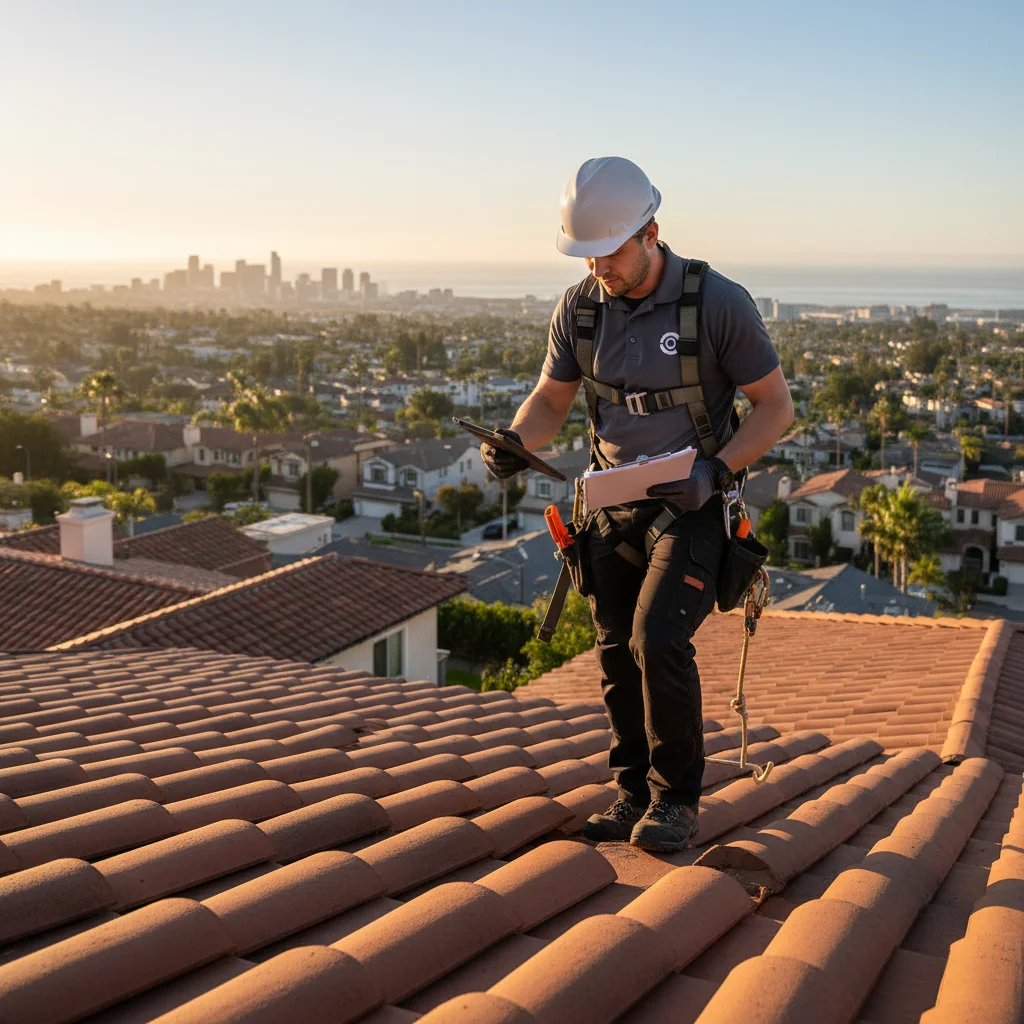
Why San Diego needs a different inspection rhythm
National “every two years” advice undersells this county.
Coastal salt oxidizes flashing and fasteners faster than many inland warranties assume. See coastal salt damage and whether salt will damage a metal roof. Santa Ana events lift tiles and caps. Wildfire embers collect in valleys even when the fire line is not on your street.
Rain is concentrated in a short winter window. A roof can sit dry for months with cracked mastic, open laps, and lifted tile. The first real storm finds those gaps.
A practical schedule for most county homes is once a year, plus a look after a severe Santa Ana or a nearby fire. Within a couple of miles of the coast, annual is the floor. Point Loma, Ocean Beach, Imperial Beach, and west Chula Vista should treat flashing like a maintenance item, not a decade event.
The 12-point checklist a real inspection should cover
A credible inspection follows a sequence and leaves a report. If you get a paragraph and no photos, you got a pitch, not a file.
Exterior
- Field material. Tile, shingle, or membrane: cracks, lift, missing pieces, granule loss. On low-slope, blistering and open seams.
- Ridge and hip caps. Wind and UV hit these first. Tile mortar dries and splits. Asphalt caps peel.
- Valleys. Water concentrates. Check metal, weave, rust, and overlap.
- Flashing at penetrations. Pipe boots, vent collars, skylight curbs, chimneys. Leading leak source here. A bathroom drip often starts at a pipe boot.
- Step flashing at walls. Must weave with the field. Rust and reverse laps are common on additions.
- Gutters and drainage. Clogs push water under the eave. Check slope, hangers, and where downspouts dump.
- Soffits and fascia. Rot here is eave moisture, often from blocked intake or gutter overflow.
Interior
- Attic. Stains, damp insulation, mold, and daylight through the deck show up here before the ceiling.
- Decking. Soft spots, delaminated plywood, rusted fasteners.
- Ventilation. Intake vs exhaust. Heat shortens shingle life. See ridge vent vs box vent.
Documentation
- Photo report. Finding plus location. No photos, no accountability.
- Written priorities. Safety now, repair soon, watch items. One undifferentiated “needs work” is not a cert-quality report.
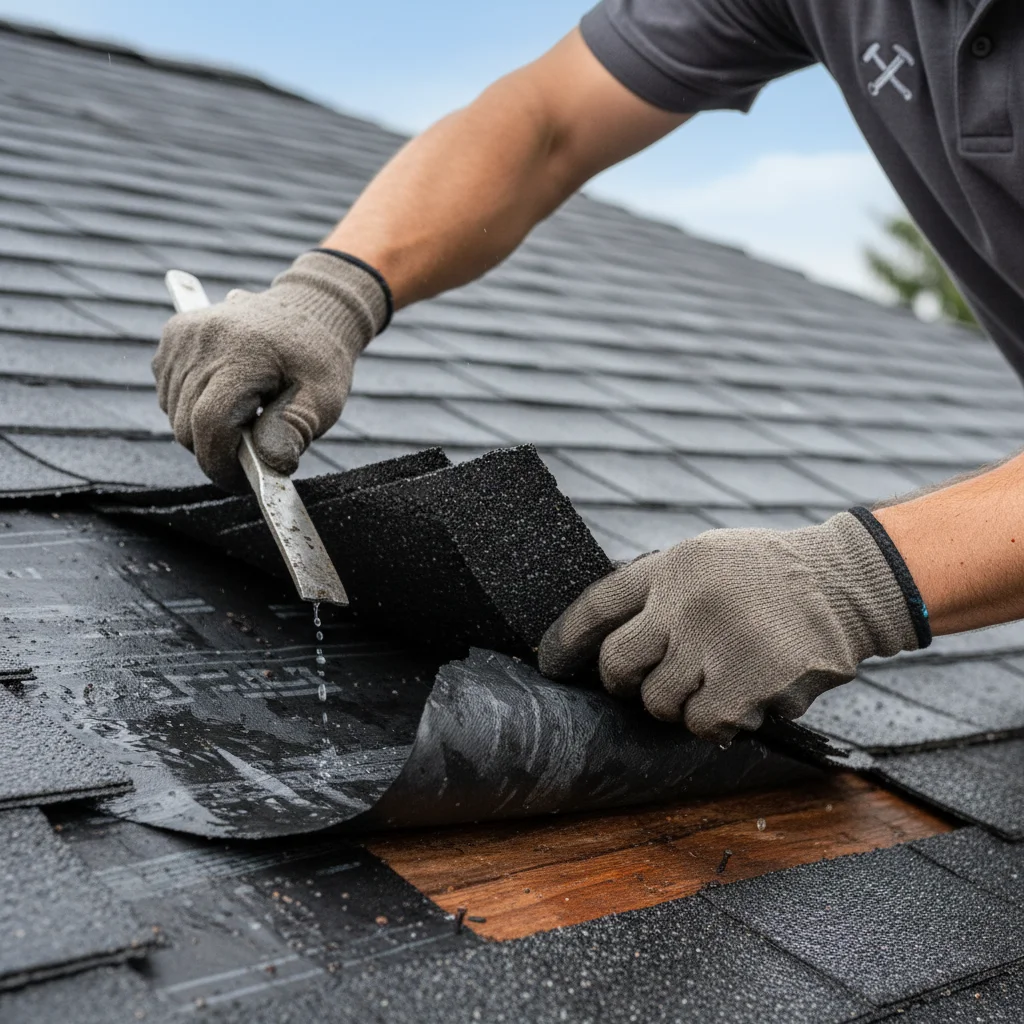
When you need a roof certification, not just a repair quote
Some inspections end in a bid. Others end in a certificate of roofing condition: a licensed contractor’s signed statement used in escrow, insurance, or HOA fights.
You want a certification when:
You are selling or buying. San Diego County escrow often asks for a current roof cert. A buyer’s agent will ask. A seller who brings a signed C-39 letter moves faster than one who says “it looks fine.” The letter states condition as of that date and whatever remaining-life language the contractor is willing to sign. We will not invent a two-year or five-year term. Ask what they will put on paper.
Your insurer is asking. Some California carriers want a condition report on older roofs at renewal. A homeowner’s email is weaker than a C-39 letter. Verify the license on the CSLB lookup.
You may file a claim. Photos and a dated report before the event help separate new damage from wear. See the California roof insurance claim guide.
The roof is old and you need a clean split between deferred maintenance and normal age, for sale or for a carrier.
A certification is not a lifetime guarantee. Confirm an active C-39 before you rely on any letter.
Free vs paid inspections
Many companies offer a free look. Plenty of those walks are real. The incentive is still a job. A free visit is built to find work to quote. That is a business model, not a crime. It is a poor fit when you need a neutral file for escrow or a dispute. For the sales-walk version, see free roof inspection in San Diego.
A paid inspection is you buying a documented assessment whether or not they find a reroof. We will not invent a fee. Ask for the scope in writing: walk the roof, attic, photos, written summary, whether they will sign a cert.
If you just closed and want a pre-rain read, a free walk from a licensed company can be a start. Ask if you get photos. Check CSLB before anyone on the roof.
The NRCA still wants a person on the roof when it is safe. Drone-only and curb-only miss soft deck and lifted flashing.
When to schedule: rain, escrow, insurance
Before the winter rains: late summer or early fall, so repairs can happen before the wet weeks. Crews fill up as the first storm is forecast.
Before escrow closes: order at offer acceptance. A cert takes time to write. Do not squeeze it into the last 48 hours. Buyers should not rely only on a seller-paid letter if they want their own eyes.
Before insurance renewal: work backward from the renewal date so you can repair flagged items and send the file.
After a wildfire event: embers travel. Valleys and gutters collect debris even off the fire line. See wildfire ember data for San Diego County.
If the report is more than mastic and a boot, next steps are roof repair or roof replacement. Active moisture is roof leak repair.
When to call us
Escrow, a carrier questionnaire, or a pre-rain checklist needs a licensed C-39 on the field, not a template from the street. Verify any name on the CSLB license check. Call (760) 750-5557 and we will connect you with a vetted San Diego roofer.