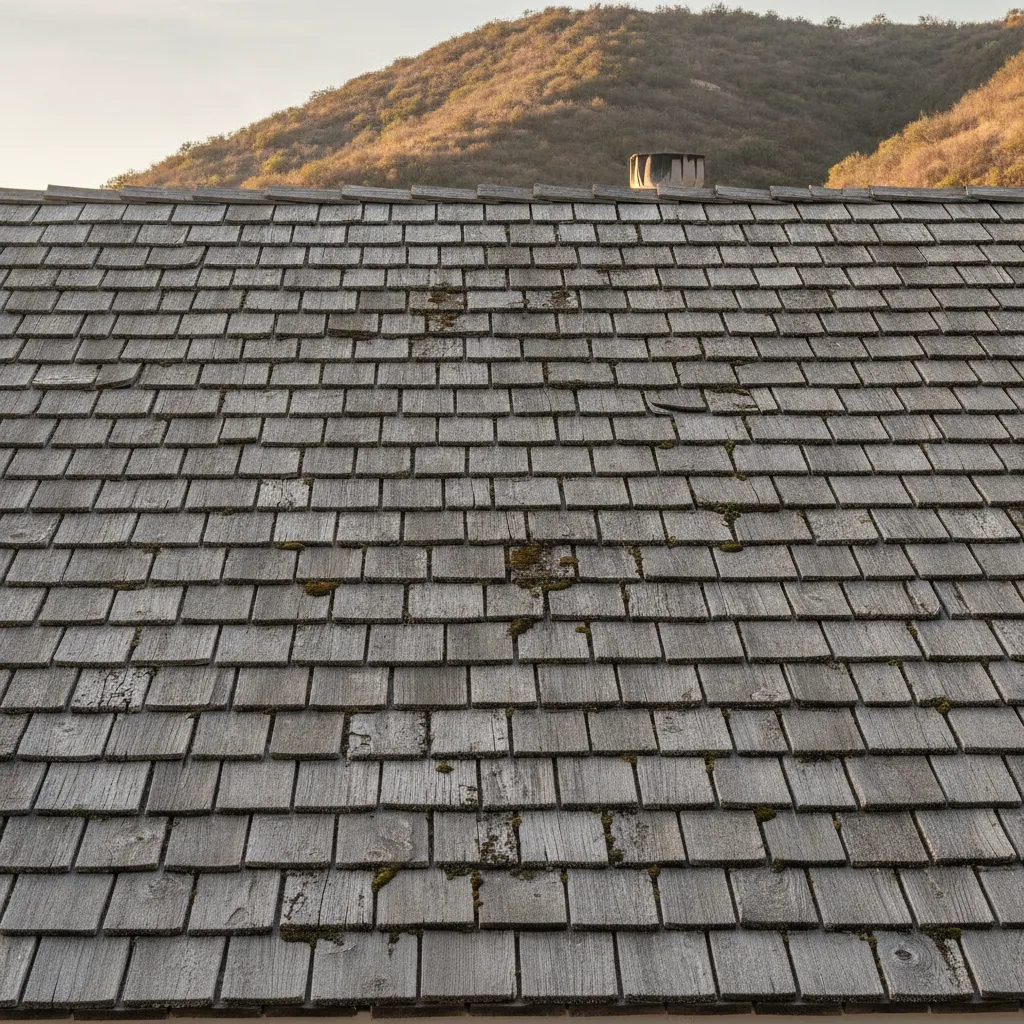
For most San Diego reroofs, untreated cedar shake is not the practical covering. Untreated wood shake is not a listed Class A covering by itself. Mapped fire-hazard and Wildland-Urban Interface rules can call for a listed Class A assembly where the parcel map applies. Confirm with Cal Fire maps and the AHJ. Do not treat Class A as a countywide fact. Many carriers treat a wood roof as a non-renewal or surcharge problem. A pressure-treated, fire-retardant shake installed as a listed assembly can exist as a specialty product. It is not the usual San Diego path. The usual path is a look-alike that carries a documented Class A assembly, not real wood.
Top Pro Roofing SD is a referral service. We connect you with an independent C-39. We do not install shake, set prices, or talk to your insurer for you. Call (760) 750-5557.
We will not invent an installed cedar price, a county-wide “two-thirds of parcels” fire-zone statistic, or a year-count for wood in this climate. Look up this parcel. Then read the bid.
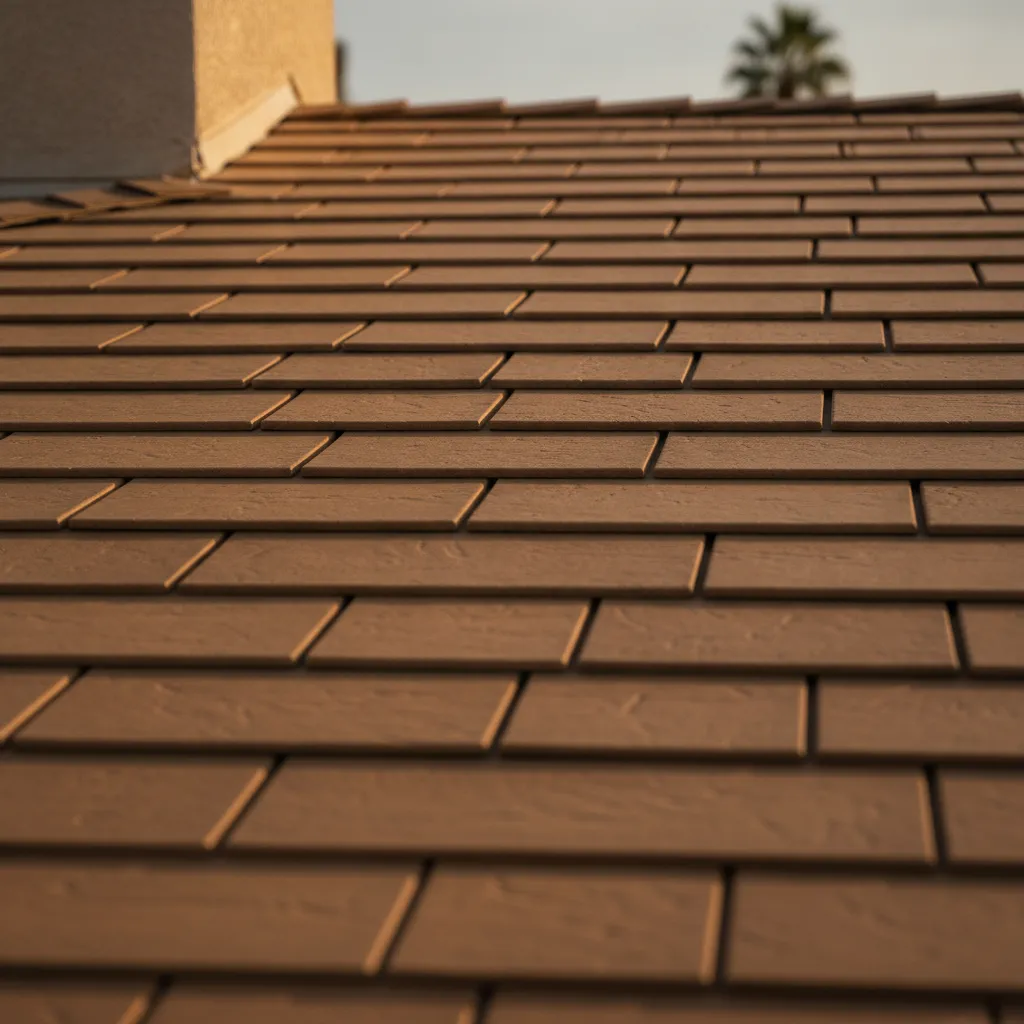
What is a cedar shake roof?
A cedar shake roof is thick wedges of split western red cedar or Alaskan yellow cedar laid in overlapping courses. Shakes are split from the log, so each piece is rough and slightly irregular. That texture is the shadow line people want. Sawn wood shingles are the smoother, thinner cousin, cut on both faces. Both are wood. For fire-code purposes both are treated as wood coverings unless a listed treated assembly says otherwise.
The appeal is appearance: ranch and craftsman streets, older hillside stock, a silver-gray weather. The rest of the conversation is fire performance, maintenance, deck condition at tear-off, and whether a carrier will keep the policy.
Are cedar shake roofs allowed in San Diego?
Maybe on this lot, after the map and the building official speak. California Building Code Chapter 7A addresses ignition-resistant construction, including roof assemblies, where a designated fire-hazard or WUI overlay applies. Confirm this parcel on the CAL FIRE Fire Hazard Severity Zone map and with the authority having jurisdiction. Do not treat Chapter 7A or Class A as a countywide fact. A full tear-off and reroof in a mapped area is often when the official reviews covering rules. Untreated wood shake is commonly rejected there, but the AHJ decides.
There is a narrow product path: shakes pressure-impregnated with fire retardant and installed as a listed Class A assembly, meaning the treated shake plus the specific underlayment and deck the listing was tested with. That is a specialty order. Treatment can be a maintenance and reinspection conversation with the manufacturer, not a one-time spray. Our San Diego fire-code roof requirements page walks through who decides. A ZIP code is not a zone.
Will insurance cover a cedar shake roof?
This is often the harder gate than the permit. In the current California market, many carriers will not write or renew a wood roof, or they surcharge and require replacement. Roof age and covering are early underwriting questions. A wood roof in a wildfire-prone state is a hard combination for them.
A listed Class A assembly can support insurability. Some carriers offer wildfire-hardening credits for documented work. That is the agent’s letter, not a blog discount. If the house already has cedar shake, ask before the next renewal. A non-renewal tied to the roof is an expensive surprise. Overview: does insurance cover roof replacement in California. Confirm with your own agent.
How to read a cedar or look-alike bid (without a fake price)
We do not publish an installed dollar range for real cedar or for the fire-treated assembly. Ask the matched roofer to measure this roof and write:
- Tear-off of existing wood (overlay on shake is not a normal San Diego path)
- Deck inspection and a unit rate for rot or skip-sheathing
- Named covering (treated shake vs synthetic vs stone-coated vs architectural shingle)
- Underlayment and listing documents for the Class A assembly
- Fasteners and flashings rated for the site (canyon vs coast)
- Permit responsibility and which city or county is the AHJ
- How the product will be presented to the insurer, if the homeowner wants that packet
Wood roofs also need a maintenance story: debris, moss, UV checking, and earlier repairs than many synthetics. Ask the manufacturer sheet what they actually require. Do not treat a year-count in a national ad as San Diego service life.
County cost context without inventing cedar cells: 2026 new-roof cost guide.
Cedar shake alternatives that keep the look
You do not have to keep real wood to keep the shadow line. Three common Class A conversations:
Composite synthetic shake. Molded polymer shakes (lines such as DaVinci, Brava, and CeDUR appear on bids) are cast from real cedar texture. Ask for the listed assembly, not the brochure photo. This is the closest visual match on many San Diego reroofs.
Stone-coated steel shake. Steel panels in a shake profile with a stone-granule finish. Light compared with tile. Coastal and wind details still belong on the spec. Stone-coated metal roofing.
Wood-tone architectural asphalt shingle. Weathered-wood and cedar-tone blends that read as wood from the street. Not a match up close. Often the HOA-and-budget path when the association will not take real wood.
Side-by-side material logic: roof types for San Diego homes and wildfire-resistant roofing materials.
Replacing an existing cedar shake roof
You generally cannot overlay a new covering on wood shake. The surface is uneven. Ask the AHJ whether overlay is allowed at all. Plan a full tear-off to the deck unless the official says otherwise.
Tear-off is also when hidden deck damage shows. Dry rot and old splits under shake are common. Handling them during the reroof is cleaner than chasing a leak later. A roof inspection is the first step: deck, fire zone, and which look-alike fits the house and the association.
Frequently asked questions
Are cedar shake roofs allowed in San Diego?
Untreated cedar shake is commonly disqualified where the AHJ applies Chapter 7A or local WUI rules that call for a listed Class A assembly. Confirm this parcel with Cal Fire maps and the building official. Do not use a county-wide percentage as your answer. Do not treat Chapter 7A as automatic.
How much does a cedar shake roof cost in San Diego?
The independent roofer sets the number after measuring the roof and naming the assembly. We will not invent a per-square or whole-house total. Compare line items against synthetic shake, stone-coated steel, and architectural shingle on the same scope.
Will insurance cover a home with a cedar shake roof?
Often no, or only with a surcharge or a replacement requirement. A Class A assembly can help underwriting. Ask your agent in writing. Rules vary by company.
How long does a cedar shake roof last?
Manufacturer literature and maintenance control that, not a blog year band. Ask what the sheet says for UV, moisture, and retreatment. Synthetics and stone-coated products have their own listed terms. Compare documents, not a slogan.
What is the closest alternative to cedar shake?
Composite synthetic shake is usually the closest texture. Stone-coated steel is the metal path. Wood-tone architectural shingle is the budget street view. All three need a listed assembly if the lot is in a mapped hazard area.
Can I put a new roof over existing cedar shake?
No as a normal overlay. Tear off to the deck, repair what you find, and install a covering the AHJ and the insurer will accept. Ask the building official before anyone nails a second covering over wood.
Replacing a cedar shake roof, or shopping a look-alike that can pass the fire conversation on this lot? We connect San Diego County homeowners with independent roofers who confirm the zone, inspect the deck, and write a covering spec. Call (760) 750-5557 for a roof inspection match or a roof replacement conversation. Verify the C-39 at cslb.ca.gov before anyone is on the roof.